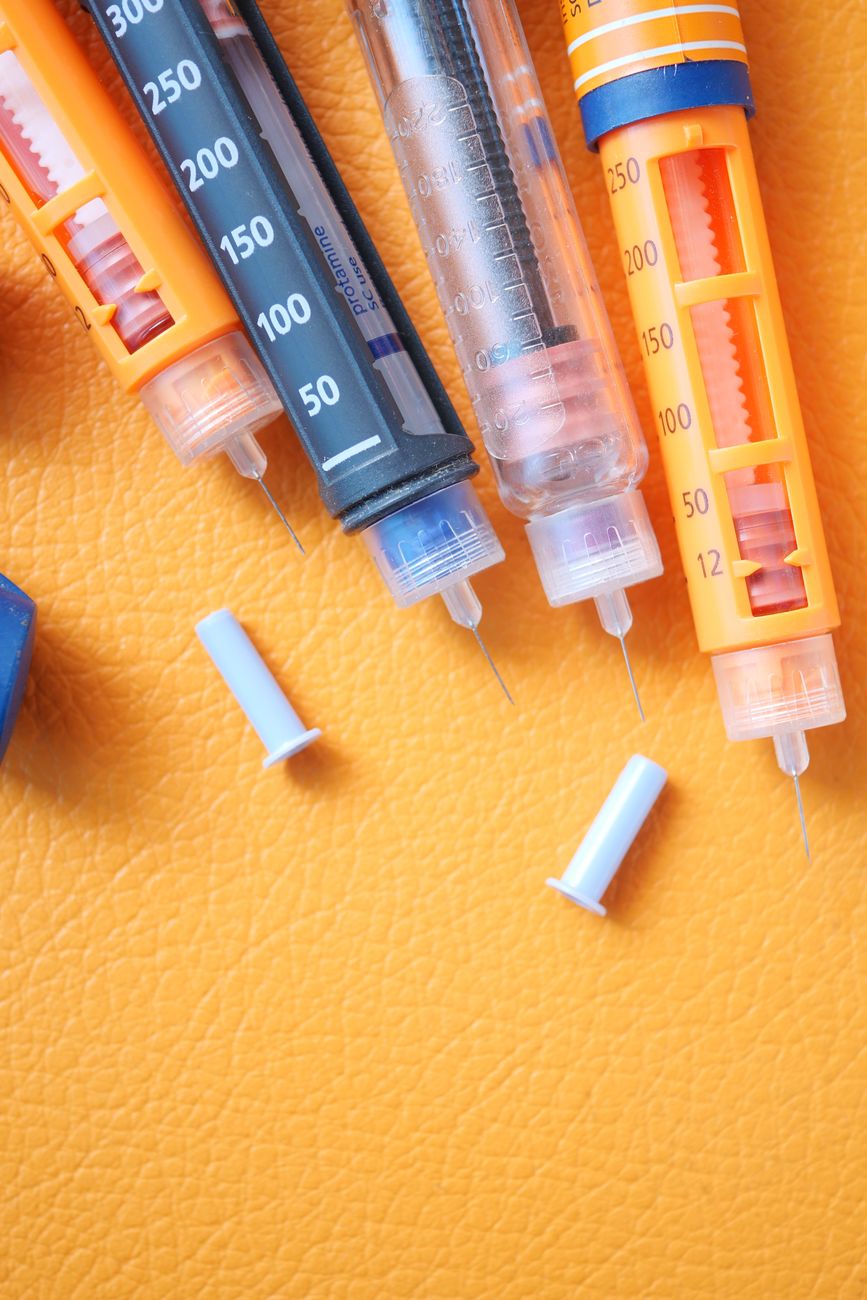
Insulin resistance is a condition where your body's cells become less responsive to insulin, leading to higher blood sugar and increased risk of metabolic diseases like type 2 diabetes. Luckily, it’s largely reversible with targeted lifestyle changes.
What is insulin resistance?
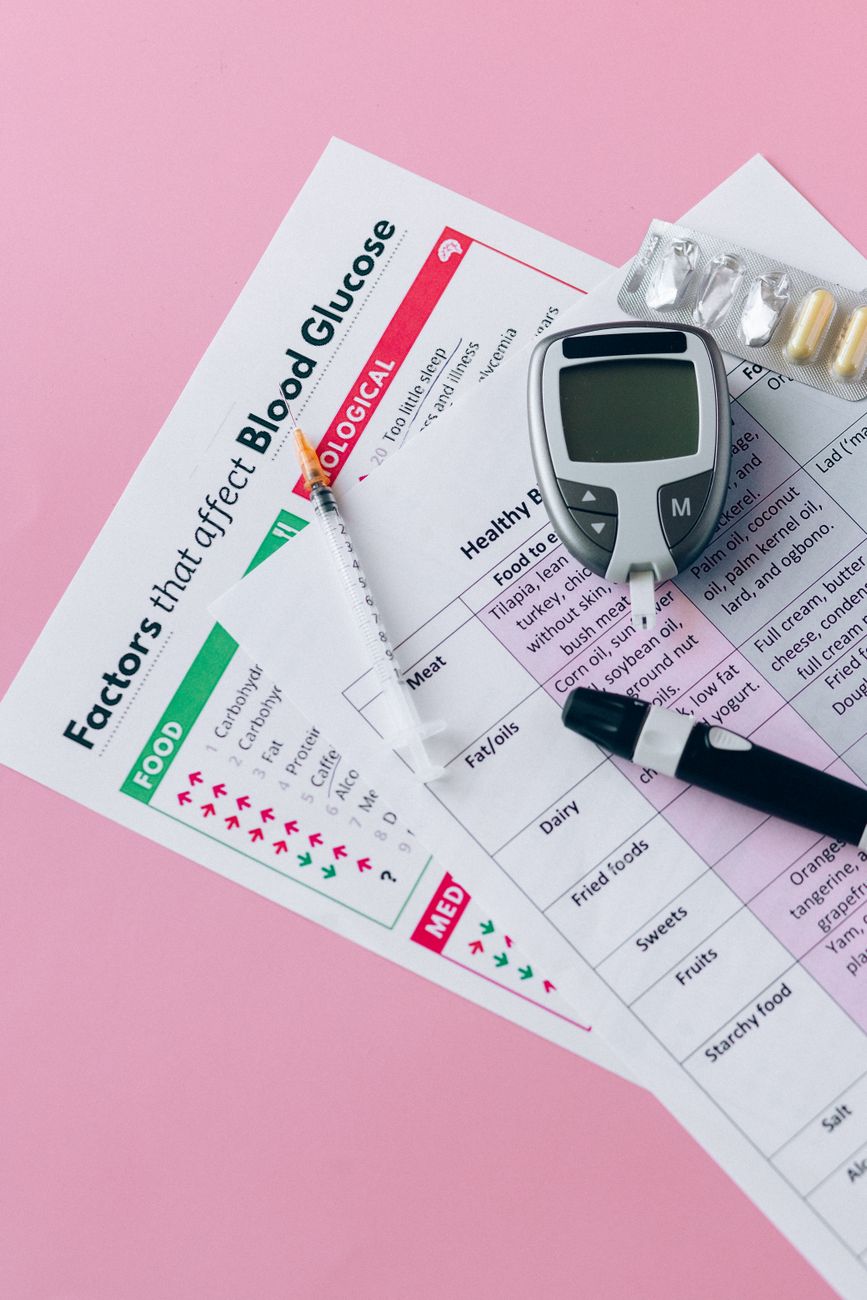
Insulin resistance occurs when your body's cells stop responding well to insulin, a hormone that facilitates the uptake of glucose (sugar) from your blood into cells for energy. When this response weakens, your body compensates by producing more insulin. Over time, this can cause elevated blood sugar levels, increasing the risk of type 2 diabetes and other metabolic disorders.
How does insulin resistance develop?
Each day, insulin helps manage blood sugar after meals. When your cells resist insulin's signals, glucose remains longer in the bloodstream. This prompts your pancreas to produce more insulin, which over time can strain and weaken insulin production. Excess abdominal fat and poor lifestyle habits—like a sedentary lifestyle and high processed food intake—are key contributors to insulin resistance. These factors also promote inflammation and hormonal imbalances that exacerbate the condition.
Why is insulin resistance important for your health?
Insulin resistance impacts more than just blood sugar—it promotes systemic inflammation, elevates blood pressure, and contributes to fat accumulation in arteries, increasing cardiovascular risk. It’s a critical early warning sign of metabolic syndrome. The good news is that, through lifestyle modifications, insulin resistance can often be reversed or significantly improved, reducing long-term health risks.
How can you support your body in reversing insulin resistance?
- Eat a balanced diet: Focus on whole, minimally processed foods, fiber-rich vegetables, lean proteins, healthy fats, and reduce intake of processed carbs and sugar.
- Stay active: Engage in regular physical activity, such as brisk walking, cycling, or strength training, aiming for at least 150 minutes weekly to improve insulin sensitivity.
- Manage your weight: Losing excess weight, particularly around the abdomen, can dramatically improve insulin response and overall metabolic health.
- Consider supplements: Nutrients like magnesium, omega-3 fatty acids, and chromium may support healthy insulin function. Always consult your healthcare provider before starting new supplements.
Comparison of normal insulin function and insulin resistance
| Feature | Normal Insulin Function | Insulin Resistance |
|---|---|---|
| Cell response to insulin | Responsive, glucose enters cells efficiently | Less responsive, glucose remains in blood longer |
| Insulin levels | Normal or low | Elevated |
| Blood sugar control | Effective | Impaired |
The power of lifestyle changes
Many individuals find that small adjustments in diet and activity levels can significantly boost insulin sensitivity. Think of your body as a finely tuned machine—when properly maintained, it operates at its best. Implementing healthier choices today can prevent or improve numerous metabolic health issues in the future, leading to sustained well-being.
How to take action against insulin resistance
- Assess your current lifestyle habits and identify areas needing improvement.
- Increase dietary fiber by eating more vegetables, fruits, and whole grains; cut down on processed foods and sugar.
- Incorporate regular exercise—aim for at least 150 minutes of moderate activity weekly, such as brisk walking or cycling.
- Prioritize weight loss if needed, focusing on reducing abdominal fat through combined diet and exercise strategies.
- Consult healthcare providers about possible supplements or medications if necessary, especially if lifestyle changes alone aren’t enough.
Additional resources
For further insights, explore our related articles on metabolic health and blood sugar management. These resources provide practical tips and science-backed strategies to support your metabolic health journey.
What are some frequently asked questions about insulin resistance?
Can insulin resistance be reversed?
Yes, insulin resistance is largely reversible through lifestyle changes such as diet, exercise, weight management, and sometimes supplements. Early intervention is key.
What foods should I avoid to prevent insulin resistance?
Limit processed carbs, sugary snacks, sugary beverages, and refined grains. Focus on whole foods, fiber-rich vegetables, lean proteins, and healthy fats.
How does physical activity improve insulin sensitivity?
Regular physical activity helps muscles utilize glucose more effectively, reduces fat around the abdomen, and enhances insulin responsiveness, lowering the risk of insulin resistance.
0 Comments