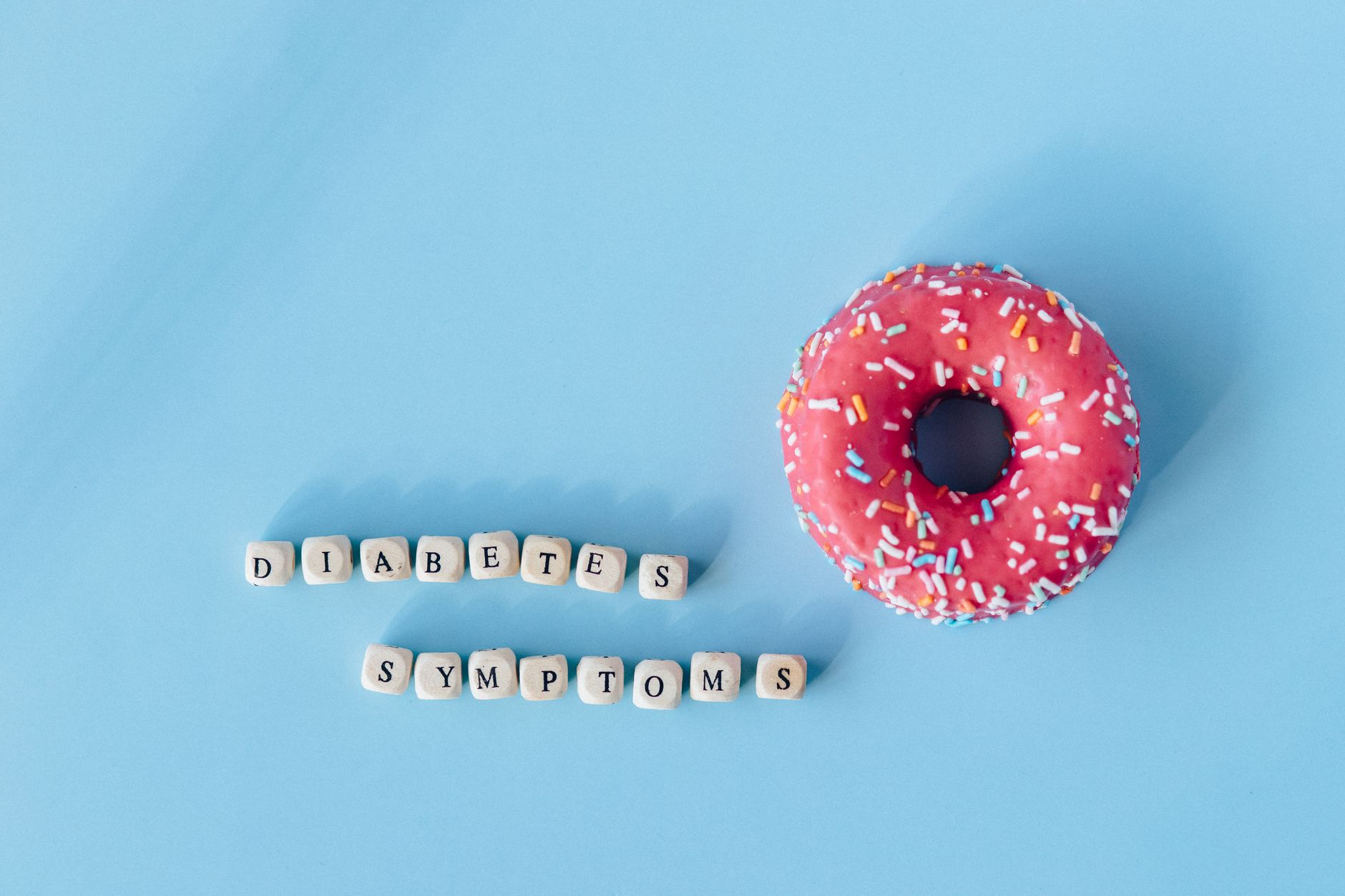
Pre-diabetes often shows subtle signs, but early recognition can prompt lifestyle changes that prevent progression to type 2 diabetes. Learn the key symptoms, how to identify them, and steps to support your health.
How can I tell if I have pre-diabetes?
While many with pre-diabetes are asymptomatic, early clues include increased thirst, fatigue, blurred vision, slow-healing wounds, and dark patches of skin. Recognizing these signs and consulting a healthcare professional is crucial for early intervention.
What are the main signs and symptoms of pre-diabetes?
- Increased thirst and frequent urination: Elevated blood sugar draws water from tissues, causing dehydration and more bathroom visits.
- Fatigue: Cells struggle to use glucose effectively, leading to lower energy levels.
- Blurred vision: Fluid shifts in the eyes from high blood sugar can cause temporary vision changes.
- Slow-healing cuts or infections: High blood sugar impairs immune response and healing processes.
- Dark patches of skin (Acanthosis Nigricans): Usually around the neck or underarms, indicating insulin resistance.
How do these signs relate to insulin resistance?
Many symptoms of pre-diabetes stem from insulin resistance, where the body's cells don't respond properly to insulin. Addressing insulin resistance through lifestyle changes can often reverse or halt pre-diabetes progression.
What steps can I take to support my health?
- Eat a balanced diet rich in fiber, lean proteins, and healthy fats.
- Engage in regular physical activity, aiming for at least 150 minutes a week.
- Maintain a healthy weight to improve insulin sensitivity.
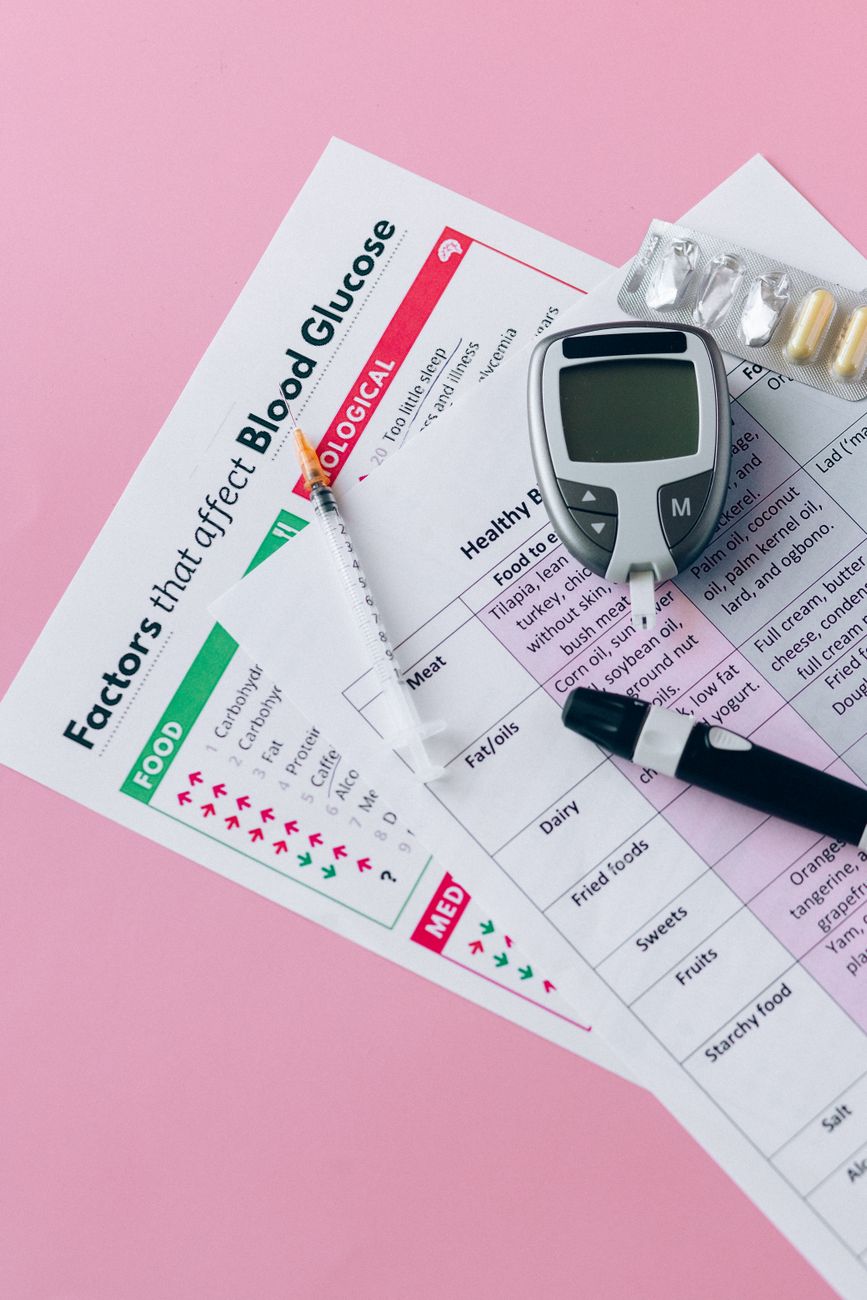
- Monitor blood sugar levels regularly, especially if you have risk factors.
- Consider nutrients like magnesium and chromium, but always consult your healthcare provider before supplements.
Comparison of Blood Sugar Levels in Pre-Diabetes vs. Diabetes
| Condition | Fasting Blood Sugar (mg/dL) | Oral Glucose Tolerance Test (mg/dL) |
|---|---|---|
| Normal | <100 | <140 |
| Pre-diabetes | 100-125 | 140-199 |
| Diabetes | ≥126 | ≥200 |
Why is early detection important?
Early signs of pre-diabetes provide a window to implement lifestyle changes that can prevent or delay the onset of type 2 diabetes and related complications such as heart disease, nerve damage, and kidney problems.


0 Comments